
7-OH Addiction Treatment for a Substance Few People Understand
Concentrated kratom products can lead to real dependence. Get support built on proven opioid treatment approaches, offered with respect and no assumptions.
What Does 7-OH Addiction Treatment at Our Center Involve?
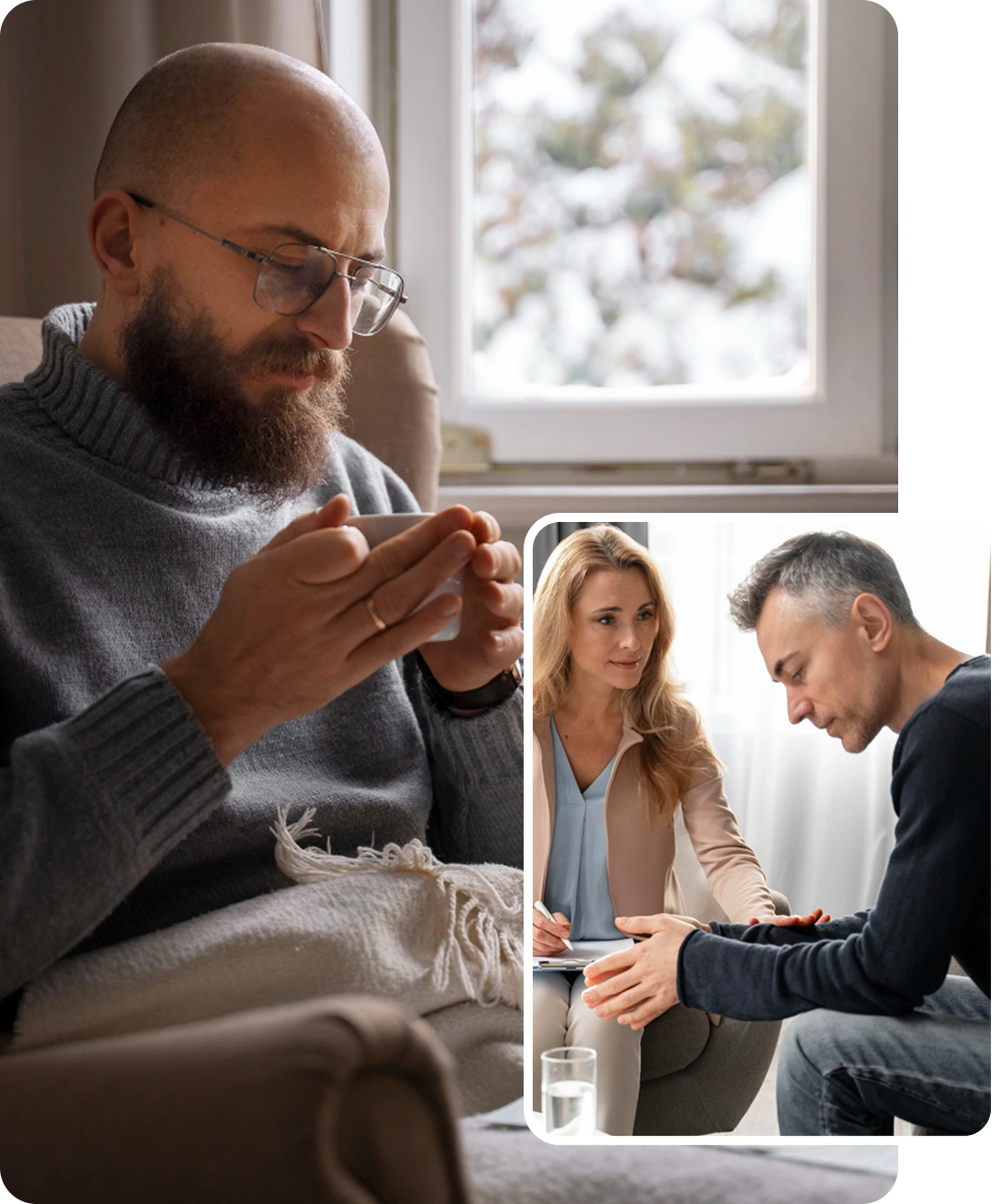
Since no treatment exists specifically for 7-OH yet, Care for All Recovery Center in Houston draws on proven approaches for opioid use disorder: counseling, relapse prevention, and structured outpatient care through PHP, IOP, or OP. When withdrawal needs medical support, our team helps coordinate it before treatment begins. Every plan reflects how much and how often you’ve been using.
Many people don’t realize how strong 7-OH is until stopping starts to feel impossible. Ask us whatever’s on your mind, with no pressure to commit to anything.
Know What to Do in a 7-OH Overdose
7-OH acts on the same receptors as opioids and can slow breathing to a dangerous level, especially when it’s mixed with alcohol or other sedatives. When someone is unresponsive or struggling to breathe, call 911 and give naloxone (Narcan) if you have it, since more than one dose may be needed. For a mental health crisis, call or text 988.
What Exactly Is 7-OH, and How Is It Different from Kratom?
Many people first come across 7-OH as something natural or plant-based, and it’s easy to see why. It comes from the same plant as kratom and is often marketed alongside it.
A few plain-language definitions help clear up what it actually is:

Kratom
A tropical tree from Southeast Asia whose leaves have been used for centuries. Its compounds can act as a mild stimulant at low amounts and produce opioid-like effects at higher ones.

7-OH (7-hydroxymitragynine)
A compound that occurs naturally in kratom in only trace amounts. It binds to the same receptors in the brain as opioids, which is why it can ease pain, create a sense of calm, and lead to dependence.

Concentrated 7-OH Products
Tablets, gummies, drink mixes, and shots that contain far more 7-OH than kratom leaf naturally does. The FDA has stated that these products have not been proven safe for any use.
Being easy to buy or labeled as natural doesn’t make a substance safe. As with other opioids, regular use can lead to tolerance, dependence, and 7-hydroxymitragynine addiction, and many of those dealing with kratom 7-OH addiction never expected it to become a problem. It’s one of the newer substances we work with across our treatment services.
Recognizing yourself in this is more common than you might think. Message us with your questions about 7-OH, and we’ll help you make a plan that fits your situation.

How Strong Are Concentrated 7-OH Products?
The difference between kratom leaf and concentrated 7-OH is a lot like the difference between a cup of coffee and a caffeine pill, only with opioid effects instead of caffeine.
Kratom leaf contains just a trace of 7-OH, while tablets, shots, and gummies are made to deliver far more of it in a single dose.
That concentration changes everything. The FDA’s commissioner has described 7-OH as an opioid that can be more potent than morphine, and products aren’t always clearly labeled with how much they contain, so it’s hard to know what any one dose really holds.
Because it acts so strongly on opioid receptors, the body adjusts quickly. The same amount often stops working sooner than people expected, so they take more or use more often, which deepens dependence and makes stopping harder.
Noticing that you need more to feel the same is an important signal, not a failure. Call us to talk about what you’ve been taking, and our admissions team will suggest a safe way to start cutting back.
Where Does 7-OH Stand Legally Right Now?
FDA
7-OH isn’t approved for any medical use and can’t legally be sold as a dietary supplement or added to food. In 2025, the FDA recommended that it become a controlled substance.
DEA
The DEA plans to place 7-OH above a set concentration in Schedule I, with an order expected no earlier than November 13, 2026. Three closely related compounds have been Schedule I since August 2026.
Texas
State law bans kratom products with 7-OH above 2% of their alkaloid content, prohibits synthetic 7-OH, and bars sales to anyone under 18.
Last updated: October 28, 2026. These rules are changing quickly.
If shifting rules have you thinking about stopping, talk with us about doing it safely.
What Happens When You Stop Taking 7-OH?
Because 7-OH works on the same receptors in the brain as opioids, stopping after regular use can bring on withdrawal that feels a lot like opioid withdrawal. For many people, that discomfort is the main reason attempts to cut back on their own keep falling apart.
The FDA has received reports of 7-OH withdrawal symptoms such as restlessness, body aches, fatigue, irritability, and cold sweats. People also commonly describe anxiety, trouble sleeping, and strong cravings, which can make the first several days especially hard.
Because concentrated 7-OH products are fairly new, research on how long withdrawal lasts and how intense it gets is still developing. Experiences vary widely depending on how much and how often someone has used, and whether other substances are involved.
That uncertainty is a good reason not to quit abruptly on your own. A medical provider can assess your use, help manage symptoms, and decide whether supervised detox makes sense before outpatient treatment begins.
You don’t have to guess your way through withdrawal. You can call us at Care for All Recovery Center, and we’ll help you get the right medical guidance in place first.

How Do You Quit 7-OH Safely?
Figuring out how to quit 7-OH can feel overwhelming, especially if earlier attempts ended in withdrawal. A few practical steps can make the process safer and more manageable:
Don’t stop suddenly on your own
After heavy or daily use, quitting all at once can trigger intense withdrawal and make a return to use more likely.
Talk to a doctor first
A medical provider can check your overall health, help manage symptoms, and decide whether a gradual taper or supervised detox fits your situation.
Be open about how much you take
Share the products, amounts, and how often you use, even if it feels uncomfortable. Accurate details lead to a safer plan.
Plan for cravings
Identify the times and situations when you usually use, and line up support, activities, or people to lean on during those moments.
Research on 7-OH is still catching up, so care borrows from approaches proven for opioid use disorder: counseling, relapse prevention, and structured support. Some people may also benefit from medications used for opioid dependence, such as buprenorphine, depending on what a prescriber recommends.
Quitting is more achievable with a plan and people behind you. Tell us where you’re starting from, and we’ll help shape your first steps.
Where Can You Get Help for 7-OH in Houston?
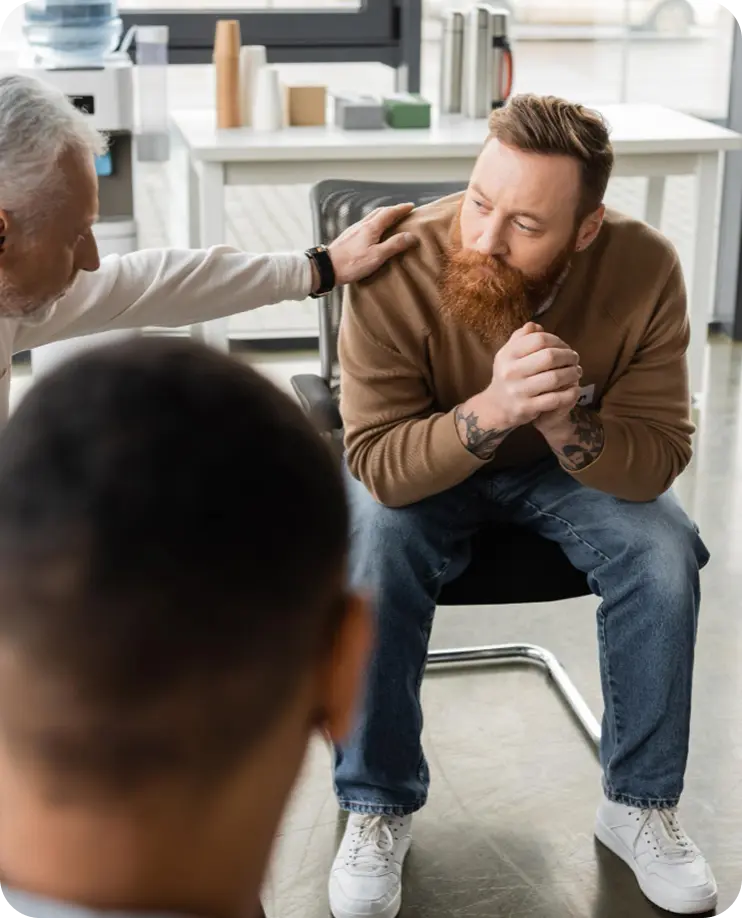
Treatment for 7-OH looks much like care for other opioid dependence, with therapy, structure, and support for the months after withdrawal. For many people, 7-OH rehab Houston outpatient care is the first time their use has been treated as a real dependence rather than a supplement habit.
Where you begin depends on how much support you need right now. The partial hospitalization program offers the highest level of outpatient support, which can help in the early weeks when cravings are strongest. The intensive outpatient program steps that down to fewer hours as you settle into new routines, and the outpatient program offers ongoing check-ins to protect your progress over the long run.
Many people first turned to 7-OH to manage pain, anxiety, or low mood. Our dual diagnosis treatment addresses those needs directly, so 7-OH isn’t the only tool you have for getting through hard days.
Before you choose a starting point, find out what your plan covers. Verify your insurance, and we’ll share which programs are available to you.
What People Ask About 7-OH (FAQs)
Does 7-OH show up on a drug test?
Standard drug screens usually don’t test for it, but specialized panels can detect it. Either way, being honest with your care team about what you’ve been taking helps shape a safer plan, and it’s met with understanding, not judgment.
I started using 7-OH to get off other opioids. Can I still get help?
[ANSWER NEEDED]
What if concentrated 7-OH becomes harder to find?
[ANSWER NEEDED]
Can 7-OH cause other health problems?
[ANSWER NEEDED]
Can I use regular kratom to taper off 7-OH?
[ANSWER NEEDED]
What Could Life Look Like Without 7-OH?
7-OH may be new, but the path out of opioid dependence is well established.
Submit the form, and the Care for All Recovery Center team in Houston, TX, will respond with honest answers and a clear next step.
Our doors are open to people from across the wider area, too.