
Grounded, Compassionate Heroin Addiction Treatment Houston
From the days after withdrawal to the months that follow, care that takes your health, your safety, and your history seriously.

How Does Care for All Recovery Center Treat Heroin Addiction?
Care for All Recovery Center treats heroin addiction in Houston through outpatient care that picks up where detox leaves off. Many people start in our partial hospitalization program for daily structure, then step down to IOP and OP, with counseling, relapse prevention, and support for related health concerns along the way. Our team can also help coordinate detox first.
Whether this is your first time in treatment or you’ve been here before, your plan starts with what you need right now. You can request a callback today, and we’ll set up your first appointment with our admissions team.
Act Fast in an Overdose
Heroin is often mixed with fentanyl, so an overdose can happen quickly. When someone is unresponsive or breathing slowly, call 911 and give naloxone (Narcan) right away. For thoughts of suicide or an emotional crisis, call or text 988 to reach the Suicide & Crisis Lifeline.
Why is Heroin Riskier Than It Used to Be?
Much of what’s sold as heroin now contains fentanyl, and most people have no way of knowing how much is in a given batch. Fentanyl is far stronger than heroin, so even a small, uneven amount can turn a familiar dose into an overdose.
The shift shows up clearly in national data. In 2023, synthetic opioids, mainly illegally made fentanyl, were involved in nearly 92% of opioid overdose deaths in the United States.
That’s why naloxone matters so much. It can reverse an opioid overdose, including one caused by fentanyl, but it only helps if someone nearby has it and knows where it is. Keep it in your bag, car, or nightstand, and show the people around you how to use it, since you can’t give it to yourself during an overdose.
Heroin is one of several substances our addiction treatment team works with every day, and the first step is a simple conversation. Call us, and we’ll talk about what you’re using and how to stay safer in the meantime.


What Does Heroin Withdrawal Feel Like?
Heroin withdrawal can feel like the worst flu of your life. Muscle aches, chills and sweats, a runny nose, yawning, goosebumps, and restless legs often come first, and sleep becomes almost impossible.
Then the stomach gets involved. Symptoms such as cramps, nausea, vomiting, and diarrhea can arrive in waves, and losing that much fluid can lead to dehydration, which is one reason withdrawal is safer with medical support than alone.
Underneath it all are the cravings. They can be intense enough that using again feels like the only way to make the sickness stop, which is exactly how so many people get pulled back into the cycle.
Because heroin is short-acting, symptoms usually begin within hours of the last use and follow the same general pattern as other opioid withdrawal. For that support, our team can connect you with a medical detox provider, since detox itself happens outside our center.
Getting through withdrawal is a beginning, not the whole recovery. Call us and tell us where you are with heroin, and we’ll line up the next steps for detox and beyond.
How Can Injecting Heroin Affect Your Long-Term Health?
Injecting carries some specific health risks, and talking about them openly is part of good care, not a lecture. The two most common concerns spread through shared needles and other injection equipment, and both can be tested for and treated:
Hepatitis C
Hepatitis C affects the liver and often causes no symptoms for years, so many people don’t realize they have it. A simple blood test can confirm whether the virus is present. The encouraging part is that newer treatments can cure most people with hepatitis C, and most are taken as pills.
HIV
Human immunodeficiency virus (HIV) attacks the immune system and, like hepatitis C, may not cause obvious symptoms early on. Testing is quick and is a routine step for anyone who has injected. Today’s medications allow people living with HIV to lead long, healthy lives.
Bringing up either one during treatment is always welcome, and our team can point you toward testing and medical care without any judgment about your past.
Message us with your questions, and we’ll make sure your care plan accounts for your physical health too.
What Is It Like to Start Over After Heroin?
“
[REAL TESTIMONIAL — client to supply]
[NAME]
“
[REAL TESTIMONIAL — client to supply]
[NAME]
“
[REAL TESTIMONIAL — client to supply]
[NAME]
Every recovery story starts with a single conversation. Call us whenever you’re ready to begin yours.
Where Does Heroin Recovery Go After Detox in Houston?
Leaving detox can feel like stepping off a ledge. Your body is through the worst of withdrawal, but cravings, sleep, and old routines are still very much in play, and that’s where outpatient heroin treatment from Care for All Recovery Center comes in.
Daily Structure from the Start
Many people move straight from detox into PHP, where treatment takes up a large part of the day while you continue living at home. That rhythm fills the hours that used to revolve around using and gives you steady support while your body and mood settle.


Medication to Quiet the Cravings
Heroin wears off quickly, which keeps many people caught in a cycle of using just to avoid getting sick. Medications used in medication-assisted treatment, such as buprenorphine or naltrexone, can ease that pull and help break the cycle.
Stepping Down at Your Pace
As things stabilize, care shifts to the intensive outpatient program and later the outpatient program, with fewer sessions and more room for work and family. When depression, anxiety, or trauma are part of the picture, our dual diagnosis treatment stays woven in throughout.

Sorting out coverage early keeps the move from detox to PHP smooth. Verify your insurance now, so your next step is ready when you are.
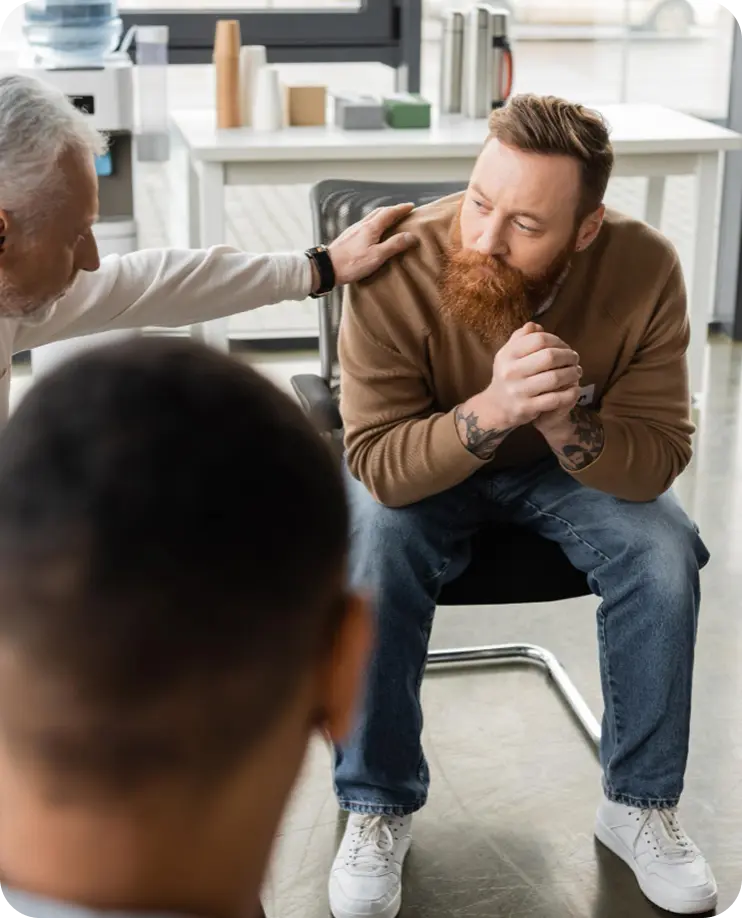
Can You Come Back After a Relapse?
Yes, and you’d be welcome. Returning to heroin after a stretch of recovery can bring shame, fear, or the sense that your effort was wasted, but it doesn’t close the door here.
Relapse is common with chronic conditions of all kinds. In figures NIDA shares from a 2000 study, 40% to 60% of people treated for substance use disorders relapse, compared with 50% to 70% of people treated for high blood pressure or asthma. Nobody would turn away someone whose blood pressure crept back up, and recovery from heroin deserves the same patience.
Coming back usually means adjusting the plan rather than repeating it: a different level of care, a fresh look at triggers, or extra support where things slipped. Returning isn’t starting from zero, and everything you learned before still counts.
Get in touch when the time feels right, and we’ll pick up from where you are now.
The Heroin Questions We Hear the Most
Can I start heroin rehab Houston programs while I’m already on methadone or buprenorphine?
Yes, let us know during your assessment. Staying on a prescribed medication is a medical decision, not a setback, and your plan should account for it. When your medication comes from another provider, we’ll look at how outpatient care here can work alongside it.
How do I tell my family I’ve been using heroin?
There’s no perfect script, but choosing a calm moment and being honest about what’s been happening usually helps. You don’t have to share every detail at once. Some people find it easier to have that conversation once they’ve started treatment and feel more supported.
Is smoking or snorting heroin safer than injecting?
Avoiding needles lowers the risk of infections like hepatitis C and HIV, but it doesn’t make heroin safe. The risk of addiction remains, and so does the chance of overdose, especially with fentanyl in the supply. Any way of using heroin is worth getting help for.
Will I have to stop seeing my friends?
Not necessarily, but some distance from people you used with often makes early recovery easier. It isn’t about judging anyone. Treatment can help you figure out which relationships support your recovery and how to build new connections with people who want the same things you do.
When do heroin cravings start to ease?
It varies from person to person. Cravings are often strongest in the first weeks and months, then gradually become less frequent and less intense with time, treatment, and steady routines. They can still flare up with stress or reminders, which is why relapse prevention skills are part of care at Care for All Recovery Center.
Where Does Your Next Chapter of Heroin Recovery Begin?
Whether it’s your first step or a return after time away, you’re welcome at Care for All Recovery Center in Houston, and so are people from the communities nearby.
Drop your details in the form, and a member of our team will contact you privately.